Pillar · Utility Rules
What your utility does — and doesn't — do under HB 395
HB 395 keeps utility paperwork minimal. There's no interconnection agreement, no bidirectional meter, and no net metering. But each utility still has a notification process worth knowing.
Net metering
Not eligible
Interconnection
Not required
Notification
Recommended
Meter swap
None needed
Articles in this pillar
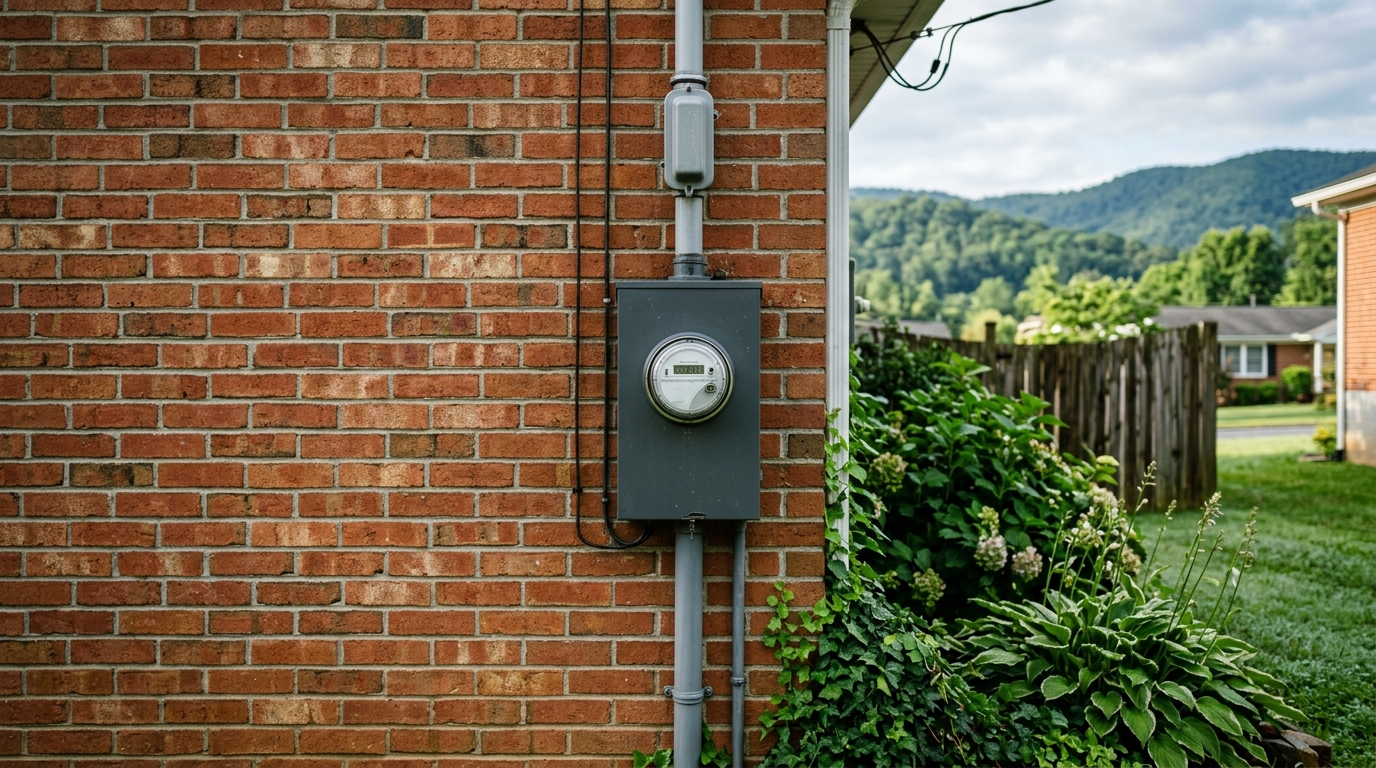
Appalachian Power Company (APCo)
APCo serves roughly a third of Virginia's electricity customers, primarily in western and southwestern Virginia. Its approach to HB 395 plug-in solar diverges from Dominion's in a few meaningful ways — most notably in its notification process and its meter estate in rural areas.
7 min read
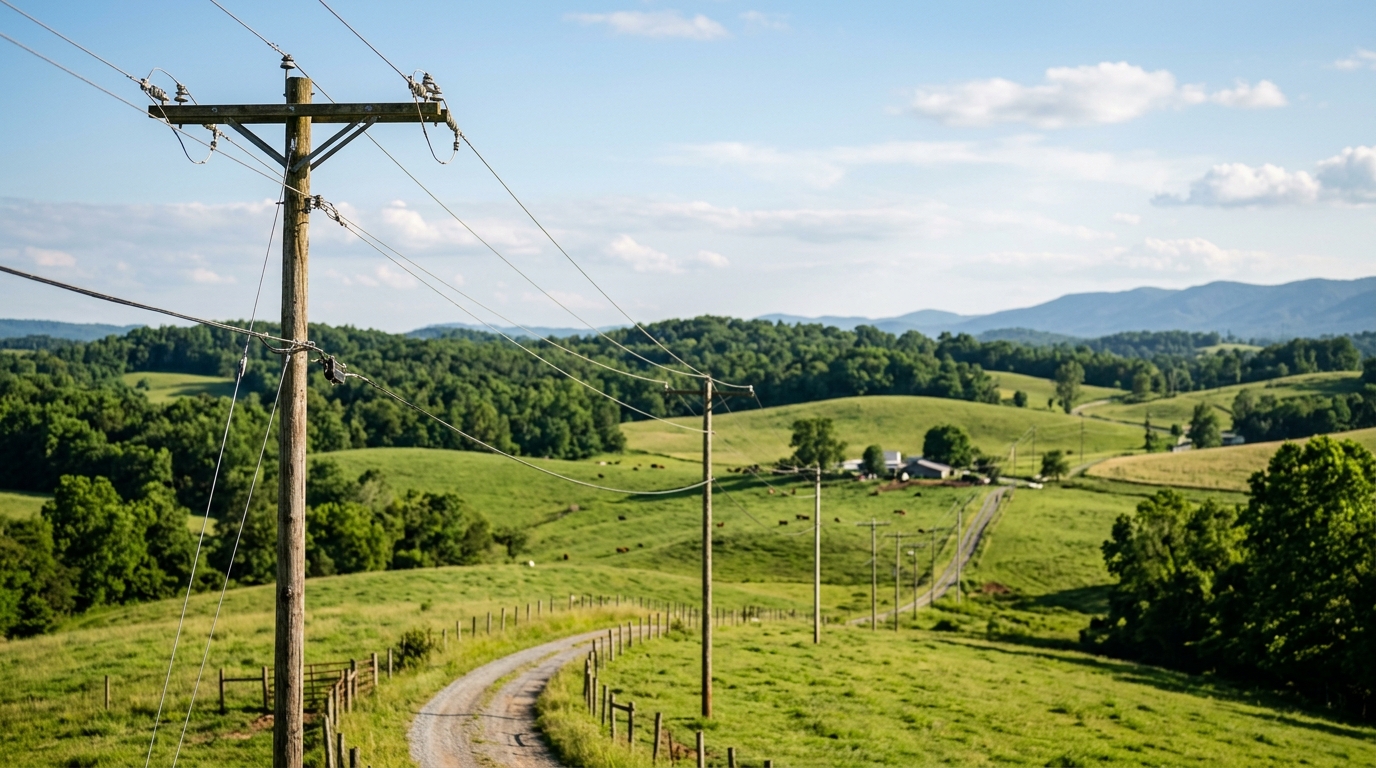
Electric co-ops and municipal utilities
About 15% of Virginia electricity customers are served by rural electric cooperatives or city-owned utilities rather than Dominion or APCo. HB 395's legal framework applies to all of them — but each has its own implementation approach, and some are further along than others.
8 min read
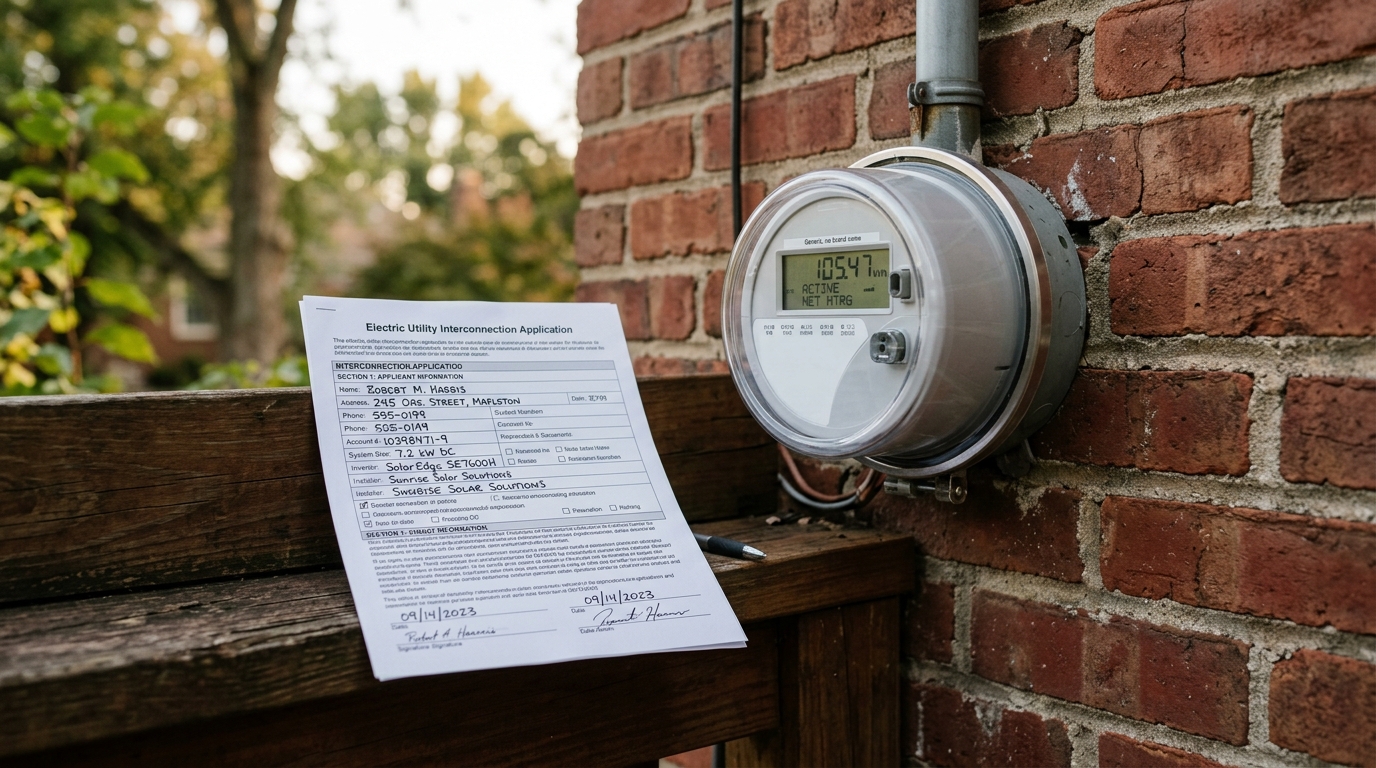
Dominion Energy: notification and meter behavior
Dominion Energy serves about 70% of Virginia electricity customers. Under HB 395, it does not require plug-in solar customers to file interconnection paperwork — but it does ask for voluntary notification, and it's worth doing.
6 min read
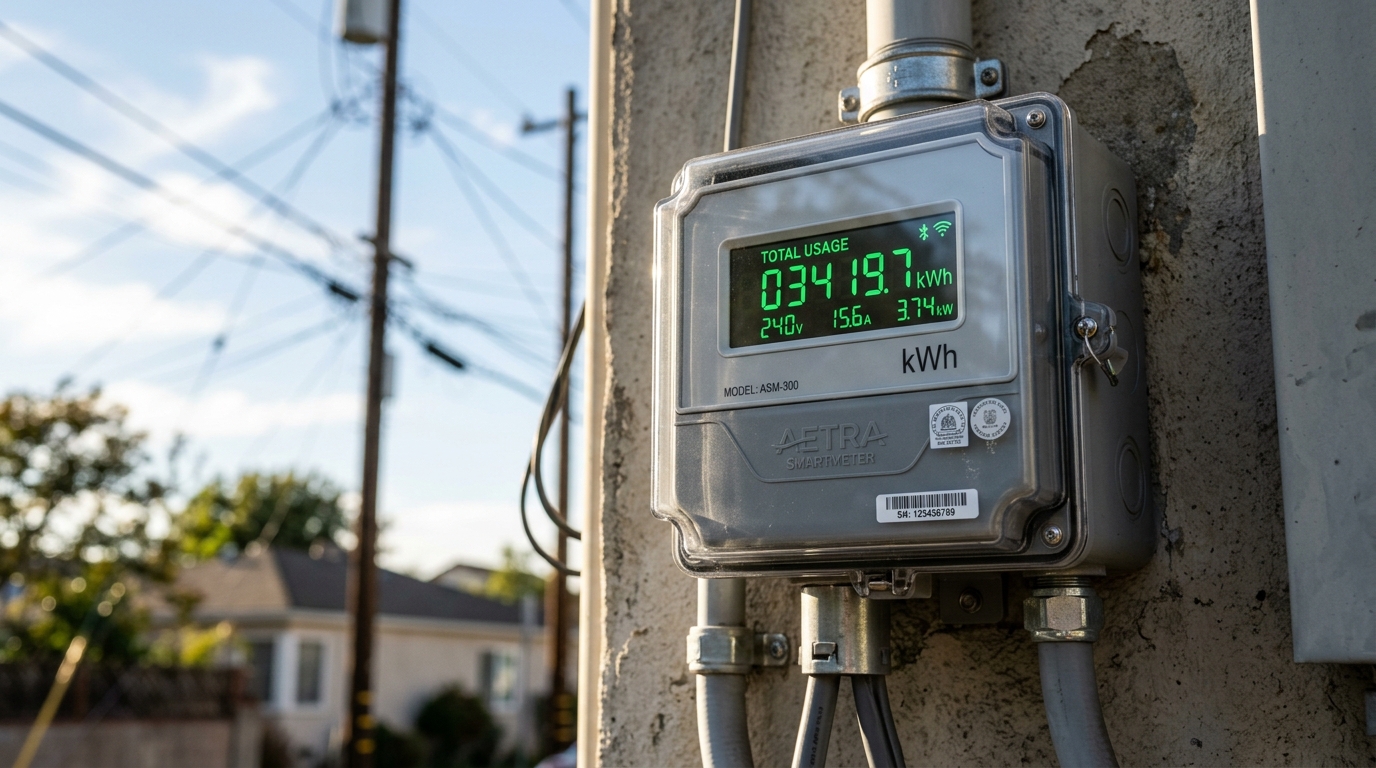
Why HB 395 systems aren't eligible for net metering
Rooftop solar customers earn bill credits for every kilowatt-hour they export to the grid. HB 395 plug-in customers don't — and understanding why explains how to actually save money with a small system.
7 min read