Pillar · Technical
How plug-in balcony solar actually works
Plug-in solar isn't a smaller version of rooftop solar. It's a different class of equipment with its own safety standard, its own size cap, and its own grid-interaction rules. HB 395 codifies all three.
AC cap
1,200 W
Standard
UL 3700
Inverter
Microinverter
Safety
Anti-islanding
Articles in this pillar
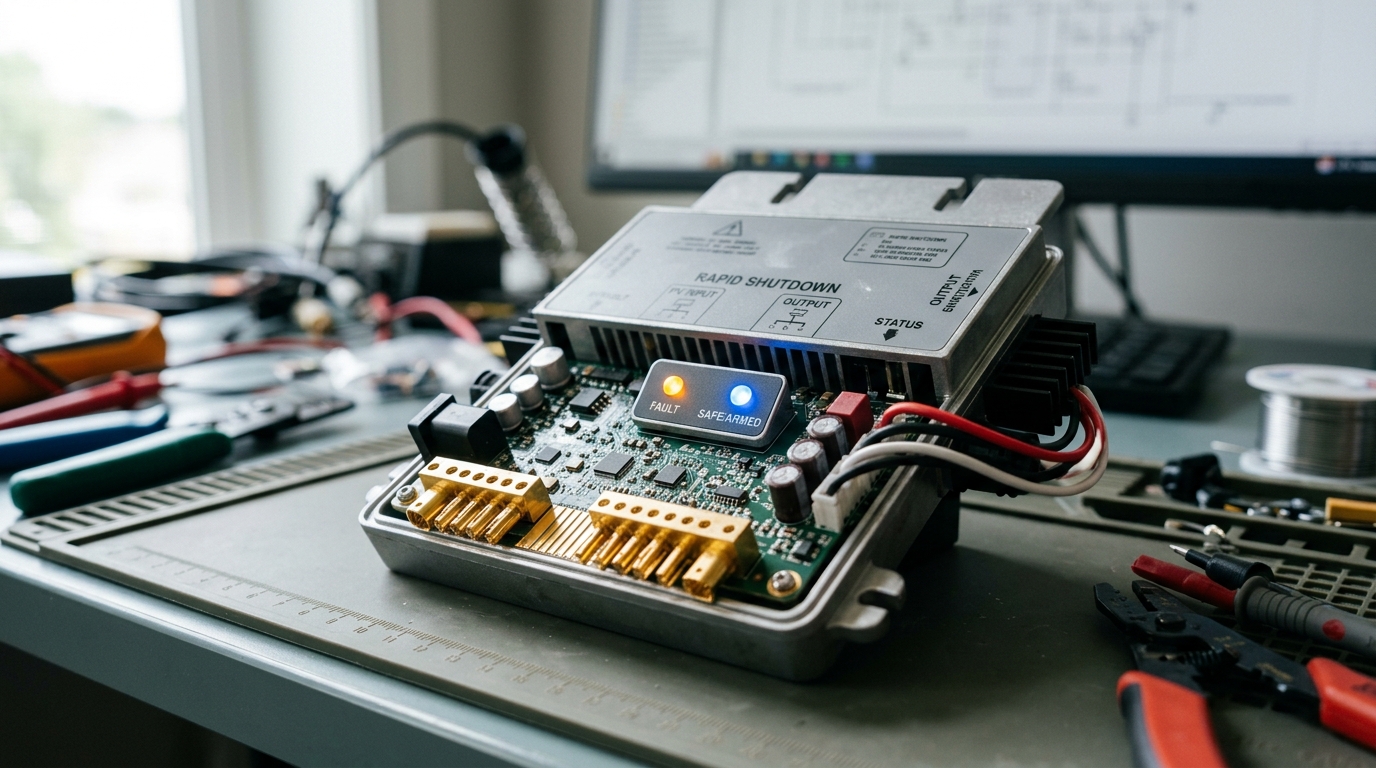
Anti-islanding: how plug-in solar stays safe
It's the single safety feature that made plug-in solar politically possible. Without it, HB 395 doesn't get out of committee — with it, utilities dropped their objections.
6 min read
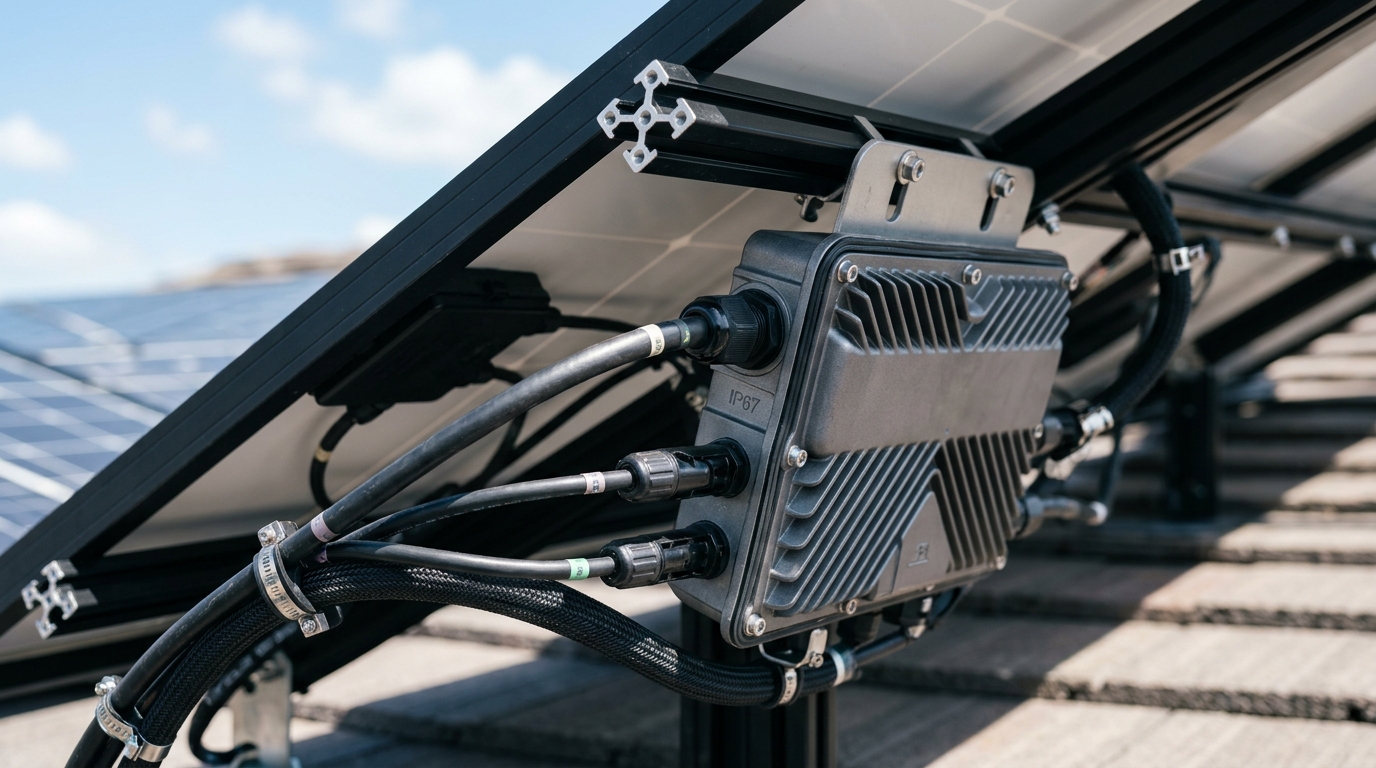
Microinverters vs. string inverters
Every HB 395-compliant plug-in solar system uses a microinverter, not a string inverter. This isn't just a product choice — it's a technical necessity rooted in how plug-in systems connect to the building's electrical system and how UL 3700 defines safe operation.
7 min read
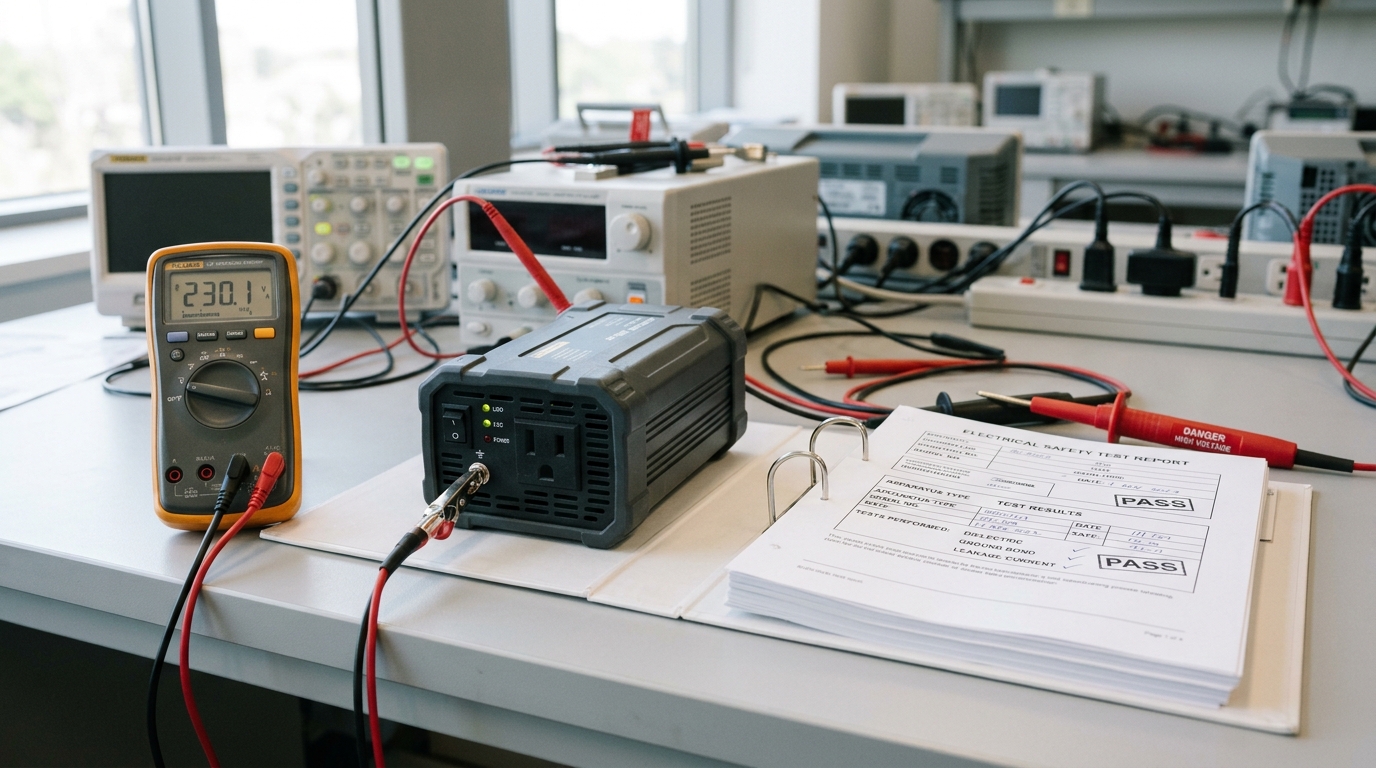
UL 3700 certification explained
UL 3700 is the safety standard at the heart of HB 395. Without it, a plug-in solar system is not legal to sell — or install — in Virginia after July 1, 2026.
5 min read
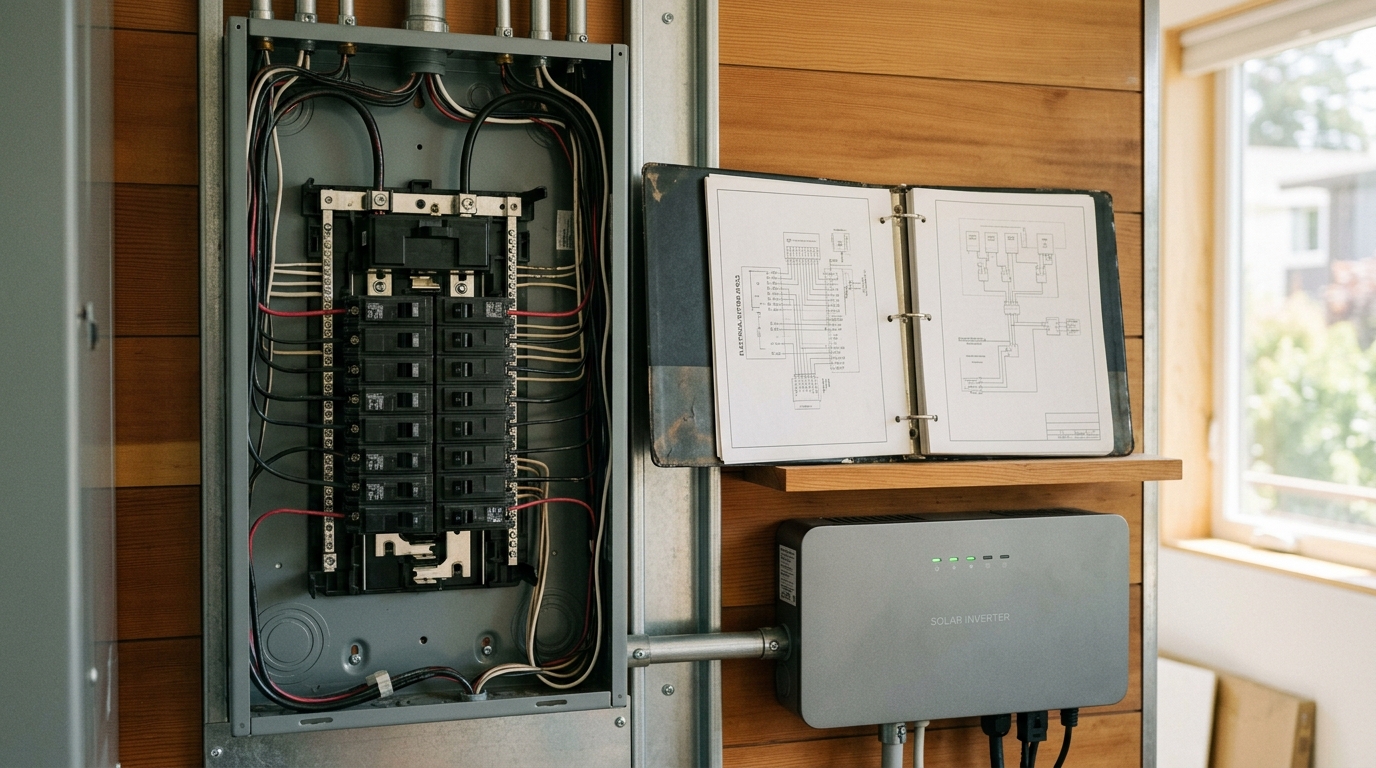
Why 1,200 W AC, and not more?
Virginia's HB 395 caps plug-in solar at 1,200 W AC at the microinverter output. That number isn't arbitrary — it emerges from a specific intersection of electrical safety standards, grid protection logic, and policy compromise. Here's where it came from and what it means in practice.
7 min read